An autonomous AI software engineer: it plans, writes and tests code in a cloud sandbox, opens pull requests and fixes CI errors from ticket tasks.
AI web services for Code 252
Discover the best AI tools for development and programming: AI assistants for code writing, autocompletion and code generation, debugging and bug detection, refactoring and optimization, code review and quality analysis, documentation generators, converters between programming languages, testing tools, SQL and database assistants, and development automation with artificial intelligence.

An AI-compatible no-code 2D game editor: visual scenes and node-based logic, publishing to six platforms with one click, no code or backend.
One MCP endpoint for any agents: app connections, shared team memory, built-in tools, budget caps and an activity log.
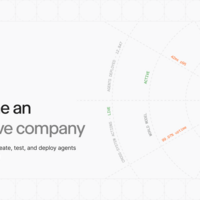
An enterprise AI agent platform: self-hosted, agents are built through chat, optimized on real runs and deployed in your VPC or on-prem.
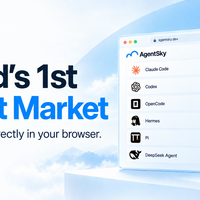
An AI agent marketplace: run more than 60 agents — Claude Code, Codex, Cursor and others — in the browser or via a single API, paying only for actual use.

An open-source "software factory" on coding agents: an agent runs a task from intake and planning to implementation and pull request review, updating documentation.

Independent auditing of AI agents: it checks agents across five dimensions, finds 64+ categories of misalignment and issues a verifiable report.

An AI agent that builds full web applications from a description on real code: backend, database, auth and business logic in minutes.

Create and publish WebAR experiences through an AI coding agent: describe an idea, get a browser preview and publish by link without an app store.
An AI agent website builder: describe your business in a conversation and it creates a site with content and lead forms in minutes, without templates or code.

An agent-native computer: run autonomous AI agents, including Claude Code, in browser sandboxes on 20+ models, with ready-made skills and automations.

An AI-native BI platform: natural-language questions turn into answers, charts and dashboards, with a semantic layer and visibility into the generated SQL.